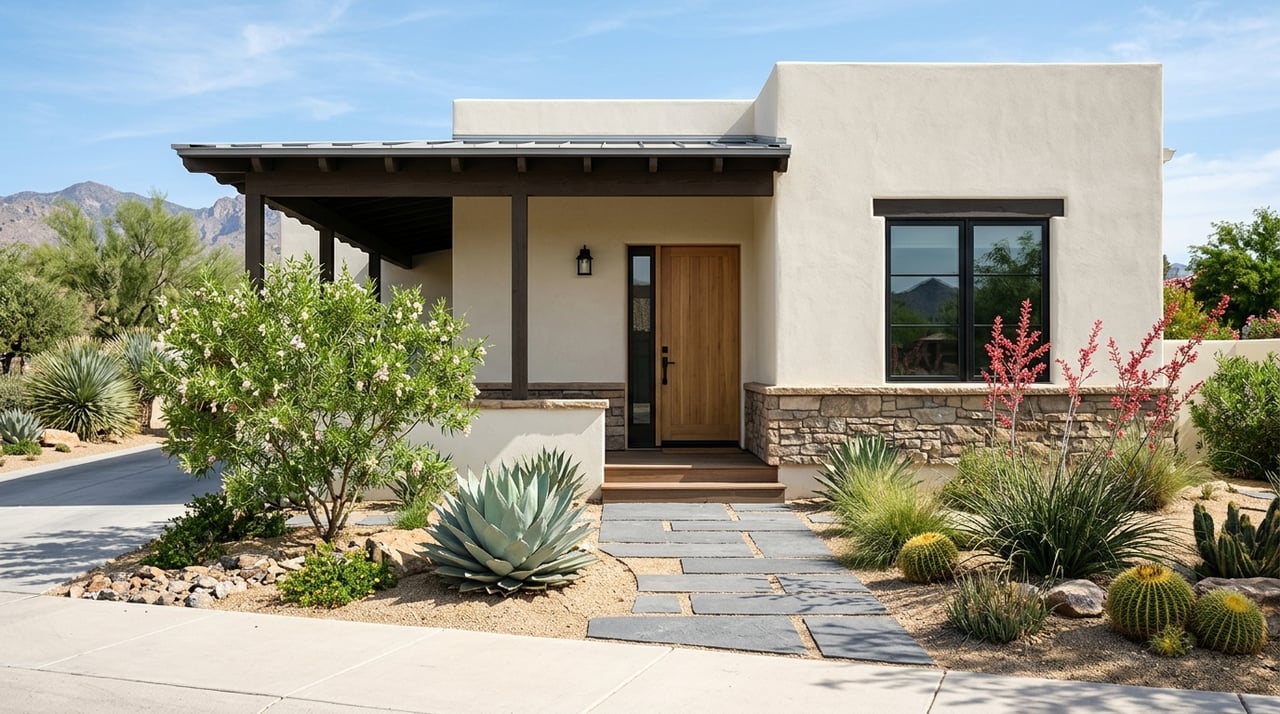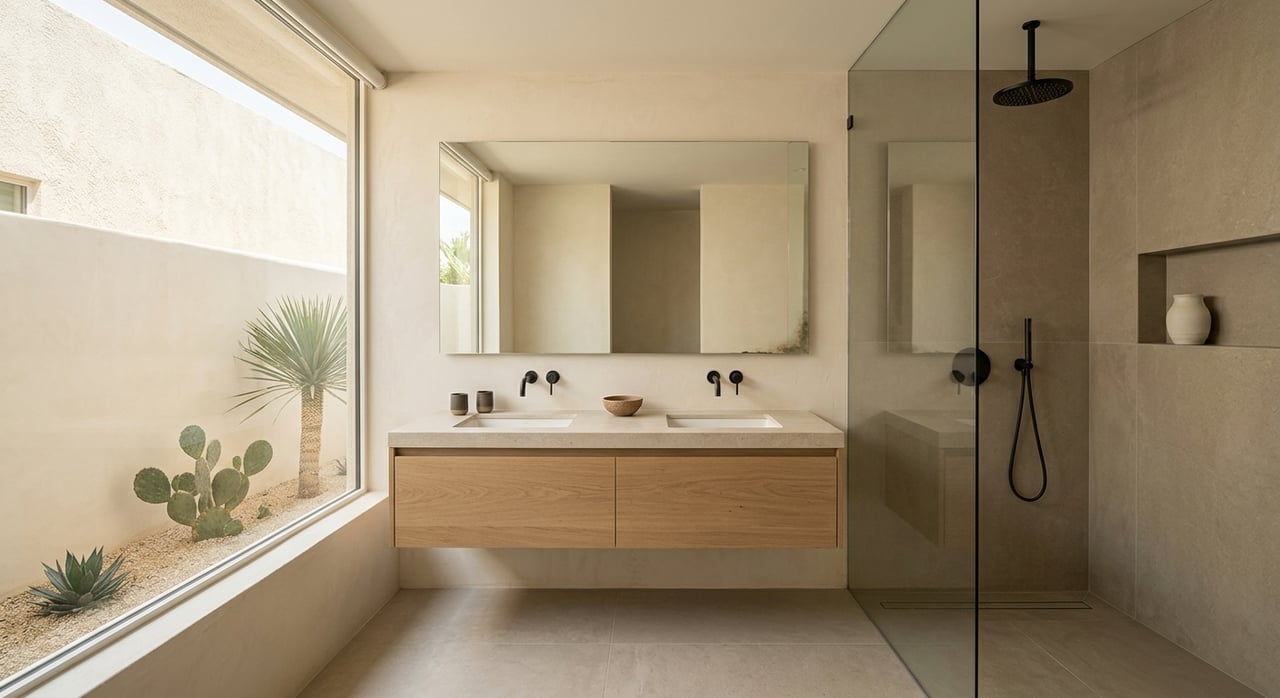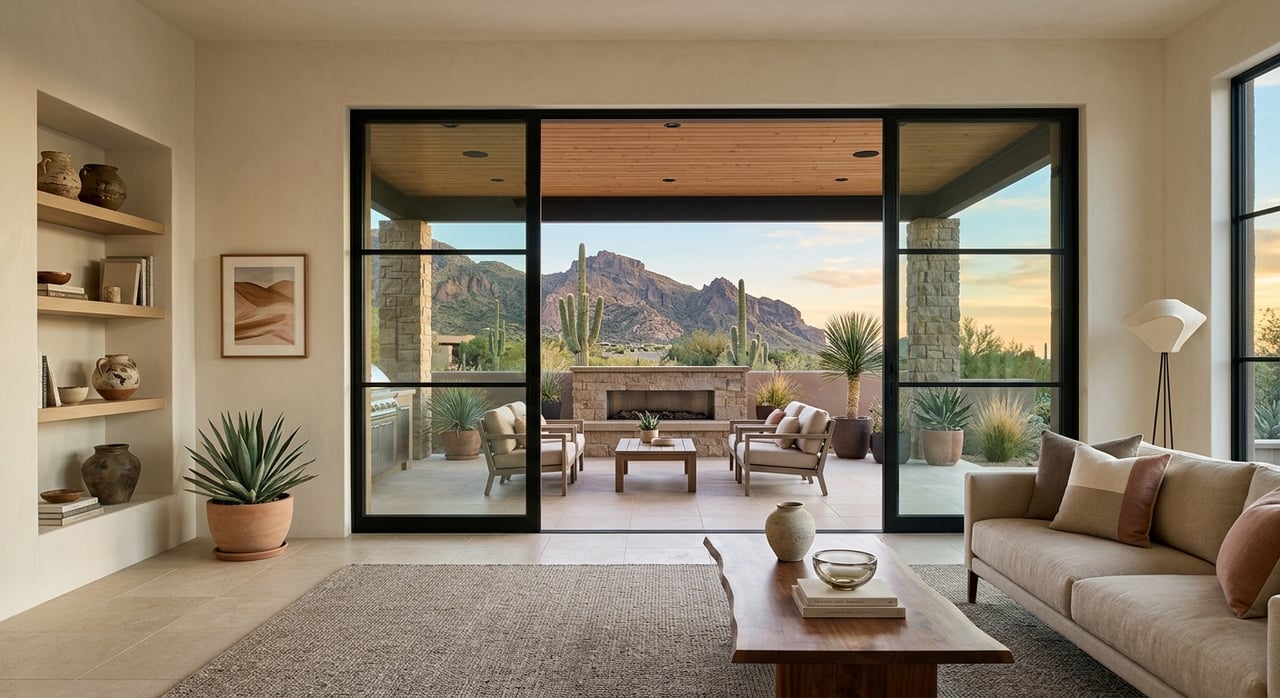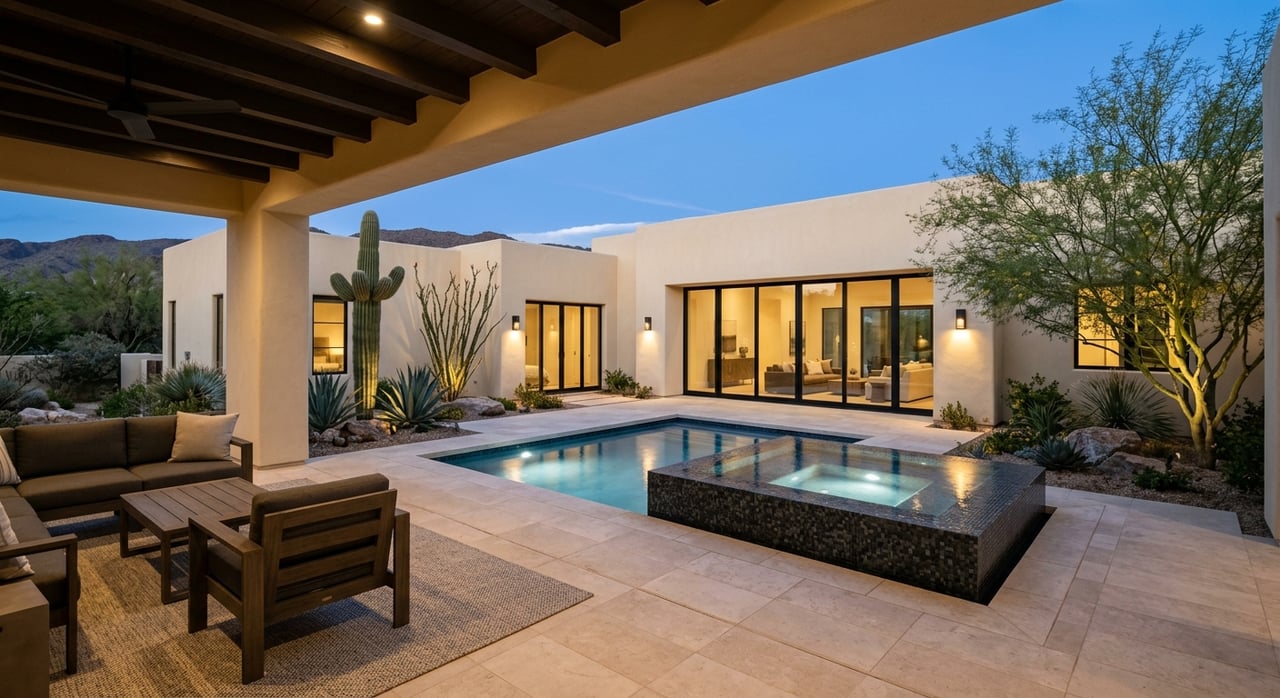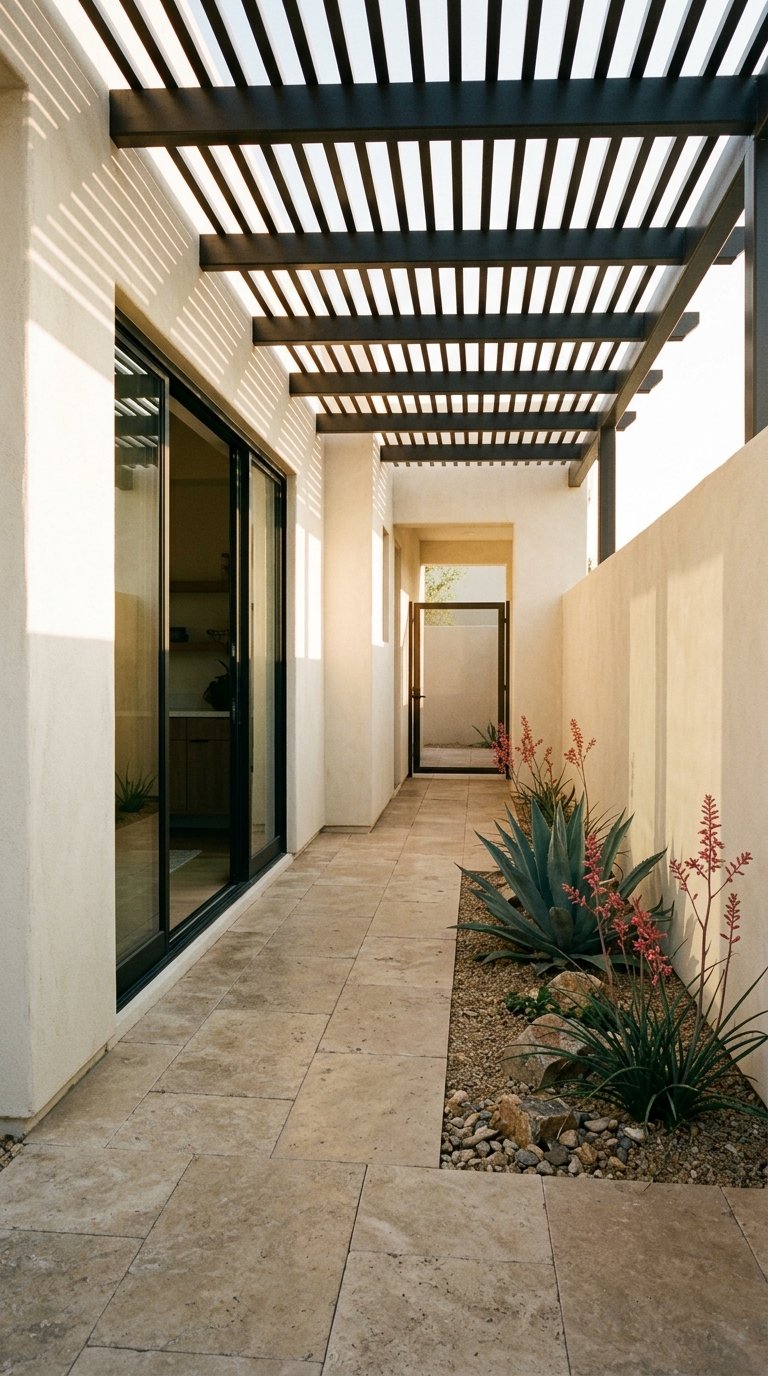
Wondering if Green Valley can make daily homeownership feel simpler? If you want less yard work, more shared amenities, and a home that is easier to lock up when you travel, this Southern Arizona community may be worth a closer look. The key is knowing that Green Valley is not one single neighborhood, and your experience can vary a lot from one HOA or property type to the next. Let’s dive in.
Why Green Valley Appeals to Low-Maintenance Buyers
Green Valley is an unincorporated community in Pima County, south of Tucson, with a housing setup that often appeals to buyers who want a more hands-off lifestyle. Instead of one master-planned development, it is made up of more than 130 smaller HOAs, and about 80% of households participate in Green Valley Recreation, also called GVR.
That structure matters because your day-to-day ownership experience may be shaped by both county services and the rules, dues, and amenities tied to your specific neighborhood. For some buyers, that creates welcome predictability. For others, it can feel more structured than expected.
Green Valley also offers a quieter setting with practical access to the region. GVR describes the area as about 30 miles from downtown Tucson and about 20 miles from Tucson International Airport, which can be helpful if you split time between Arizona and another home base.
What “Low-Maintenance” Means in Green Valley
A low-maintenance lifestyle can mean different things depending on your goals. In Green Valley, it often means choosing a property type and community setup that reduces exterior upkeep and replaces some private responsibilities with shared amenities.
You will find several ownership models here, including:
- Single-family townhomes
- Manufactured-home communities
- Gated mobile-home parks
- Single-family homes in HOA neighborhoods
Some communities are specifically designed around easier living. Casa Paloma II, for example, describes nearly 400 single-family townhomes in a 55+ setting, while Pueblo Estates is a 55+ manufactured-home community where residents own the land under their homes.
This variety gives you options, but it also means you should avoid assuming all Green Valley properties work the same way. A townhome with HOA-managed common areas may feel very different from a detached home where landscaping and frontage upkeep remain your responsibility.
Property Types That May Fit Best
Townhomes and Attached Living
For many buyers, townhomes are one of the strongest matches for a low-maintenance routine. They often come with smaller outdoor spaces and a more compact footprint, which can mean less time spent on ongoing upkeep.
In a community like Casa Paloma II, the appeal is not just the home itself. The walkable access to Green Valley Mall and the nearby GVR satellite center with a pool, hot tub, and shuffleboard courts can make everyday living feel easier and more connected.
Manufactured-Home Communities
Manufactured-home communities can also be a practical fit, especially if you want a simpler property setup and amenity access without the scale of a larger single-family home. Pueblo Estates highlights resident land ownership, which may appeal to buyers who want that added layer of control.
Other communities, like Green Valley Estates, promote shared spaces such as a clubhouse, library, craft room, laundry facilities, a salt-water pool, and a hot tub. For some buyers, those shared features can reduce the need for private at-home amenities and the upkeep that comes with them.
Single-Family Homes in HOA Communities
A single-family home can still support a low-maintenance lifestyle, but the details matter more. Some HOA neighborhoods include rules and services that help maintain a consistent appearance, while others may still leave much of the upkeep in your hands.
That can be a good fit if you want more privacy or space but still appreciate community standards. It is usually a weaker fit if your goal is to minimize responsibility as much as possible.
The Big Tradeoff: More Rules, More Structure
Green Valley’s biggest lifestyle advantage can also be its biggest adjustment. Many buyers are drawn to the area because of shared amenities, community standards, and housing types that can simplify ownership. The tradeoff is a denser layer of HOA and GVR rules than many people expect.
This is especially important if you are coming from an area with fewer deed restrictions or more flexible rental use. In Green Valley, recurring dues, occupancy rules, parking limitations, and maintenance expectations can all shape whether a home feels easy to own or harder to manage.
HOA Rules Can Affect Daily Life
HOA rules in Green Valley are highly community-specific. In Canoa Estates, for example, the HOA states there are no rentals for less than 30 days, no overnight street parking, HOA dues cover road maintenance because the HOA owns the roads, and homeowners are expected to maintain landscaping and keep frontage clear.
Those kinds of rules are not automatically good or bad. They simply mean you need to match the community’s expectations to your lifestyle before you buy.
Age Requirements Vary by Community
Another detail to watch is occupancy. GVR states that its membership is not age restricted, but individual communities may still be 55+ or have other occupancy standards.
Several Green Valley communities, including Casa Paloma II, Pueblo Estates, Desert Hills 2, and Green Valley Estates, describe themselves as 55+ communities. If age-qualified living is part of your plan, that can be a plus. If not, it is something to confirm early in your search.
Understanding GVR Costs and Access
If you are considering Green Valley, GVR is one of the most important pieces to understand. GVR says membership may be tied to a deed restriction in perpetuity on a property within its boundaries, and when that applies, membership passes from owner to owner when the property sells.
For 2026, GVR lists annual dues of $545, a $3,200 membership change fee, and a $470 transfer fee. GVR says the membership change fee helps fund deferred maintenance and facility upkeep.
For some buyers, those costs are easy to justify because of the amenity access. GVR says it owns and operates 15 recreation centers, including a 24-court pickleball center, and offers almost 60 clubs with average annual club dues below $10.
The main thing to remember is that GVR is not the same as public access recreation. County parks and trailheads are open to the public, while GVR pools, classes, clubs, and centers depend on membership, tenant, or guest-card status.
Is Green Valley Good for Lock-and-Leave Living?
In many cases, yes. Green Valley can be a strong match if you want a part-time home base in Southern Arizona and prefer a property that is easier to leave for weeks or months at a time.
That is one reason the area attracts seasonal residents. Desert Hills 2 says its ownership mix includes year-round residents, seasonal owners, and investors, which reflects how common lock-and-leave use can be in some parts of Green Valley.
The best fit tends to be in communities where the property size, exterior maintenance expectations, and neighborhood rules align with that part-time lifestyle. A smaller townhome or a home in a more amenity-oriented setting may feel much easier to manage than a property with heavier upkeep demands.
What About Rentals and Investment Use?
Green Valley can work for some investors, but flexibility is not universal. This is an area where you need to read both HOA and GVR rules carefully before making assumptions.
Desert Hills 2 says it includes investors who lease to long-term tenants or short-term vacationers. But that does not mean every Green Valley community allows the same approach.
GVR also states that renters, including Airbnb and Vrbo occupants, are not considered guests and must purchase a tenant card. GVR further states that when a property is rented, the owner does not keep GVR privileges during the tenancy.
If your goal is occasional rental income, that may still work in the right community. If you want broad short-term rental flexibility with minimal restrictions, Green Valley may feel more limiting than you want.
Amenities That Can Replace Private Upkeep
One reason Green Valley can feel easier to live in is that many residents can rely on shared spaces instead of maintaining everything at home. Depending on the community, that might include pools, clubhouses, activity rooms, or access to clubs and classes through GVR.
The surrounding area also adds useful public recreation options. Canoa Hills Trails Park offers about 5.5 miles of walking paths, and Canoa Preserve Park includes a dog park, horseshoe pits, restrooms, water fountains, and access to the Adamson-Catino Trail.
That balance can be appealing if you want an active lifestyle without the upkeep of a large private yard. It can also be a nice fit if you value outdoor access and community amenities more than home-based maintenance projects.
Transportation and Convenience
Low-maintenance living is not only about the home itself. It is also about how easily you can get where you need to go.
Green Valley’s location offers a quieter setting while keeping Tucson within reach. In addition to its proximity to downtown Tucson and Tucson International Airport, Pima County Transit lists Green Valley and Sahuarita within its rural transit network, including Sun Shuttle service and limited fixed-route Sun Tran service in unincorporated areas.
For some buyers, that added convenience supports a simpler routine, especially for seasonal living or households that want options beyond driving every trip.
Who Green Valley Fits Best
Green Valley may be a strong fit if you want:
- A home with less exterior upkeep
- Access to shared amenities and recreation
- A part-time or seasonal ownership setup
- Predictable community standards
- Housing options in 55+ communities
The fit may be weaker if you want:
- Few ownership restrictions
- Broad short-term rental flexibility
- Minimal dues or fees
- A property with little to no HOA structure
In other words, Green Valley can absolutely support a low-maintenance lifestyle, but it works best when your expectations match the specific community you choose.
How to Decide With Confidence
If Green Valley is on your list, the smartest move is to compare communities one by one rather than judging the area as a whole. Because Green Valley is made up of many separate HOAs and property types, small differences in rules and costs can have a big effect on your day-to-day experience.
As you narrow your options, pay close attention to:
- Whether the community is 55+
- What the HOA maintains versus what you maintain
- GVR membership status and related fees
- Rental and tenant-card rules
- Parking, landscaping, and exterior-use restrictions
- Whether the home truly fits full-time, seasonal, or investment use
A clear side-by-side review can save you from surprises later. It can also help you find the version of Green Valley that actually delivers the ease you are looking for.
If you want help comparing Green Valley neighborhoods and finding the right fit for your goals, connect with Ernest Hernandez. You will get calm, local guidance that helps you move forward with clarity.
FAQs
Is Green Valley in Arizona good for low-maintenance living?
- Yes, Green Valley can be a strong fit for low-maintenance living, especially if you choose a townhome, manufactured-home community, or HOA neighborhood with shared amenities and manageable upkeep requirements.
Are all Green Valley homes part of GVR?
- No, but many are connected to GVR in some way. GVR says about 80% of households participate, and membership terms can depend on whether a property has a deed restriction within GVR boundaries.
Are Green Valley communities all age restricted?
- No, Green Valley itself is not entirely age restricted, and GVR says its membership is not age restricted. However, many individual communities in Green Valley describe themselves as 55+.
What should buyers know about HOA rules in Green Valley?
- Buyers should know that HOA rules can vary widely by community and may affect rentals, parking, landscaping, road maintenance, and day-to-day property use.
Is Green Valley a good place for seasonal homeowners?
- It can be. Some communities include a mix of year-round and seasonal owners, and Green Valley’s location near Tucson and the airport can be convenient for part-time residents.
Can you use a Green Valley home as a rental property?
- Sometimes, but it depends on the community and GVR rules. Some neighborhoods allow certain rental activity, while others have stricter limits, and renters may need tenant cards for GVR access.