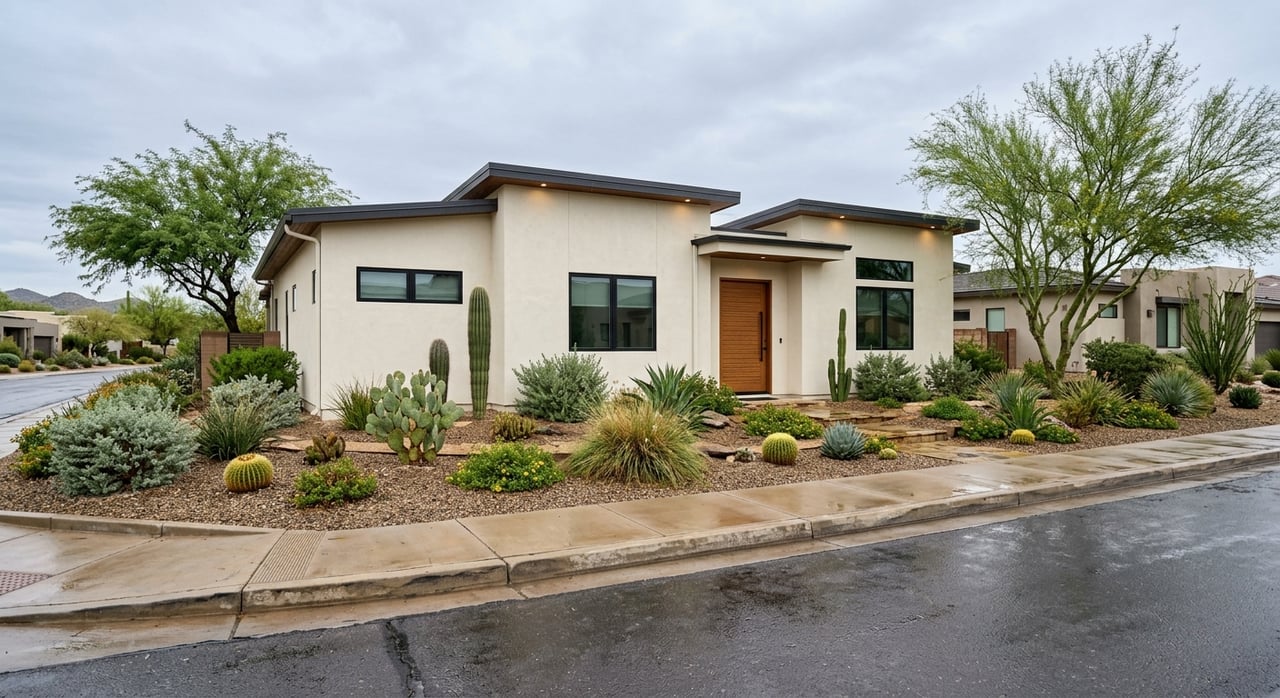
If you have started looking at homes in Tucson, you have probably noticed one thing fast: prices can change a lot from one area to the next. A home search here is not just about square footage or finishes. It is also about where you want to be, how you want to get around, and what your budget needs to cover. This guide breaks down Tucson’s major housing areas and price patterns so you can compare your options with more confidence. Let’s dive in.
Tucson Price Patterns Start With Geography
Tucson is not a one-price market. In May 2026, the citywide median sale price was $319,809, and homes took about 65 days to sell. But that citywide number only tells part of the story because area medians stretch from the low $200,000s to the $700,000s.
That means location acts like a budget filter. In Tucson, where you search can shape not only your monthly payment, but also your housing style, lot size, and daily routine. For many buyers and sellers, understanding those tradeoffs early can save time and reduce stress.
Central Tucson Offers Variety And Convenience
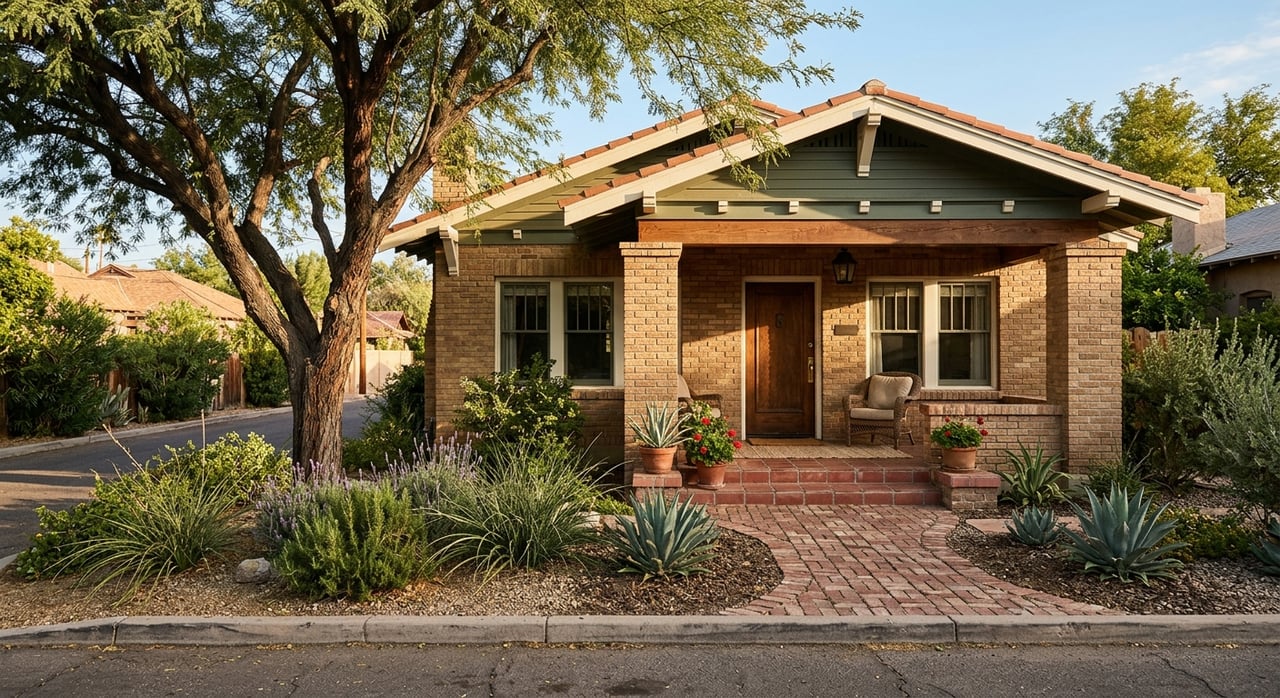
Central Tucson covers a wide mix of housing styles and price points. Historic districts in and around the core include homes influenced by Sonoran and adobe design, Craftsman Bungalow, Spanish Colonial Revival, Territorial, Ranch, and Mid-century Modern architecture.
Recent pricing in Central Tucson shows how varied this area really is. The broader central median was about $317,893, but individual areas were very different. Downtown was around $241,000, West University about $395,000, Barrio Viejo about $484,000, Sam Hughes about $526,000, and Armory Park about $599,000.
That spread matters if you are drawn to the central part of the city. Two neighborhoods may both be labeled “central,” but they can land in very different budget ranges. This is one of the clearest examples of why Tucson buyers need to look beyond broad map labels.
Why buyers look at Central Tucson
Many buyers choose Central Tucson for access and convenience. Sun Link runs a 3.9-mile, 23-stop streetcar loop connecting Mercado San Agustín, Downtown, Fourth Avenue, Main Gate Square, and the University of Arizona. Sun Tran also operates 29 fixed bus routes with more than 2,200 stops across the region.
If you want stronger non-car options, this is one of the clearest places to start. Sam Hughes and West University are noted as very walkable and bike-friendly, which can matter if you want easier access to work, campus, dining, or local services.
East Tucson Spans Mid-Market To Premium
East Tucson covers a broad middle of the market, but it also stretches into higher-priced foothill areas. East-central neighborhoods include housing styles such as Classic Ranch, Spanish Colonial Revival, Southwestern Revival, Mid-century Modern, and burnt-adobe Modern Ranch homes, often on curving streets and larger lots.
The recent Eastside median sale price was about $356,380. But as you move toward premium east-edge areas, pricing climbs. Catalina Foothills was about $690,000 and Tanque Verde about $725,000.
This makes the east side a wide-ranging option for buyers. You can find more typical mid-market neighborhoods in one part of the area, while nearby foothill and larger-lot locations can sit at a very different price level.
What daily life feels like on the Eastside
The Eastside is generally more car-oriented than Central Tucson. Its walk score was 29, transit score 40, and bike score 52. Catalina Foothills and Tanque Verde were even less walkable, with walk scores of 13 and 4.
For some buyers, that tradeoff is worth it for lot size, views, or a different setting. But if daily walkability is high on your list, it helps to compare East Tucson carefully against central neighborhoods before you decide.
West Tucson Has One Of The Widest Price Ranges
West Tucson is not one simple category either. Near the core, you will find older urban areas and historic housing influences, while farther west you see more suburban and desert-edge patterns. Menlo Park, for example, includes Spanish Colonial Revival, Craftsman Bungalow, Prairie, Ranch, and Mid-century Modern styles.
The west side also shows one of the biggest pricing spreads in the city. Westside Development was around $214,652, Downtown about $241,000, Tucson Estates about $380,000, and Tucson Mountains about $625,000.
That range gives buyers a lot to think about. Some west side pockets can offer a lower entry point, while other areas closer to the mountains can move into a much higher bracket.
West Tucson commute and access
The part of the west side closest to downtown has stronger transit support. Sun Link connects the Mercado District with the urban core, and downtown parking management supports that corridor. Farther west, the streetcar is less central to daily commuting, so your exact location matters more.
If you are looking for value and want to stay closer to the city center, west side neighborhoods near downtown may deserve a close look. If you want more desert-edge surroundings, expect the price picture to change.
Northwest Tucson Balances Space And Price Gaps
Northwest Tucson often gets grouped into one bucket, but pricing shows it is not all the same. The area tends to feel more low-density and car-oriented, with housing that reads more like ranch, custom, and desert-lot homes than dense urban stock.
Casas Adobes had a recent median sale price of about $369,779. Catalina Foothills, by comparison, was about $689,587. That is a major gap within the broader northwest part of the market.
So, no, northwest Tucson is not always luxury. Some areas sit closer to the middle of the market, while foothill locations clearly command a premium.
What to expect in Northwest Tucson
This area is largely car-dependent. Casas Adobes had a walk score of 24 and bike score of 44, while Catalina Foothills had a walk score of 13 and bike score of 30.
For buyers who care more about lot size, setting, or views than walkability, northwest Tucson can make sense. The key is to set expectations around both budget and transportation from the start.
Southeast Tucson Stands Out For Newer Housing
If you are focused on newer homes or planned-community living, Southeast Tucson is one of the clearest areas to watch. Civano was designed around new urbanism and a pedestrian-friendly layout with a range of housing types. The Houghton Area Master Plan also follows a Desert Village approach with town centers, villages, and neighborhood centers.
Recent parcel records in Rita Ranch show active model-building permits in 2025 and 2026, which points to continued new construction activity. That is an important detail for buyers who want more recent inventory rather than older resale housing.
Pricing also helps Southeast Tucson stand out. The broader southeast median was about $279,906, and Rita Ranch was about $338,386. Compared with several other major parts of Tucson, this places the southeast in a more accessible range.
Why Southeast Tucson appeals to many buyers
Southeast Tucson can be a strong fit if you want newer stock at a more approachable price point. It is also often one of the first places budget-conscious buyers compare when they want a balance of price and newer housing options.
Most buyers here still rely on cars, though Sun Tran’s regional routes, Sun Express commuter service, and the Laos Transit Center add some transit support. If your priority is newer construction over central walkability, the southeast may be one of your better lanes.
What Tucson’s Price Map Suggests
When you step back, Tucson’s housing map tells a clear story. Different parts of the city tend to serve different priorities, and those priorities often show up in price.
Here is a simple way to think about it:
- Lower entry points: Westside Development and Southeast Tucson, with Downtown also below the citywide median in this sample
- Middle-market options: Eastside, Rita Ranch, Casas Adobes, Tucson Estates, and West University
- Premium areas: Sam Hughes, Barrio Viejo, Armory Park, Tucson Mountains, Catalina Foothills, and Tanque Verde
- Best non-car living: Central Tucson, especially areas near Sun Link and the University of Arizona
- Best fit for newer construction: Southeast Tucson and Rita Ranch
This does not mean one area is better than another. It means Tucson rewards clarity. If you know whether you want convenience, newer housing, more space, or a lower entry point, your search gets easier.
How To Use This As A Buyer Or Seller
If you are buying, start with your top two priorities and let them guide your map. You may be deciding between walkability and lot size, or between historic character and newer construction. Once you know your tradeoffs, Tucson becomes much easier to sort.
If you are selling, these same patterns shape pricing strategy. Buyers are comparing not just your home, but also your area’s position in the broader Tucson market. A clear understanding of your neighborhood’s price tier and buyer appeal can help you set expectations and market the home more effectively.
Working with a local team can make these comparisons easier, especially when you are narrowing down neighborhoods or preparing to list. If you want calm, informed guidance on where your budget fits or how your home should be positioned in today’s market, Ernest Hernandez can help you take the next step.
FAQs
What is the median home price in Tucson, Arizona?
- In May 2026, Tucson’s citywide median sale price was $319,809, with homes taking about 65 days to sell.
Which Tucson area is usually more affordable for buyers?
- In this market snapshot, Westside Development and Southeast Tucson were among the lower-priced areas, with Downtown also coming in below the citywide median.
Which Tucson neighborhoods are best for lower-car living?
- Central Tucson is the strongest option for lower-car living, especially neighborhoods near Sun Link and the University of Arizona, including areas like Sam Hughes and West University.
Is Northwest Tucson always considered luxury housing?
- No. Casas Adobes was around the mid-$300,000s, while Catalina Foothills was much higher, showing that Northwest Tucson includes more than one price tier.
Where can you find newer homes in Tucson?
- Southeast Tucson, including areas like Rita Ranch and planned communities such as Civano, is one of the clearest places to look for newer housing and ongoing new construction.
Which Tucson areas tend to have the highest home prices?
- In this sample, Catalina Foothills, Tanque Verde, Tucson Mountains, Armory Park, Sam Hughes, and Barrio Viejo were among the higher-priced areas compared with the citywide median.