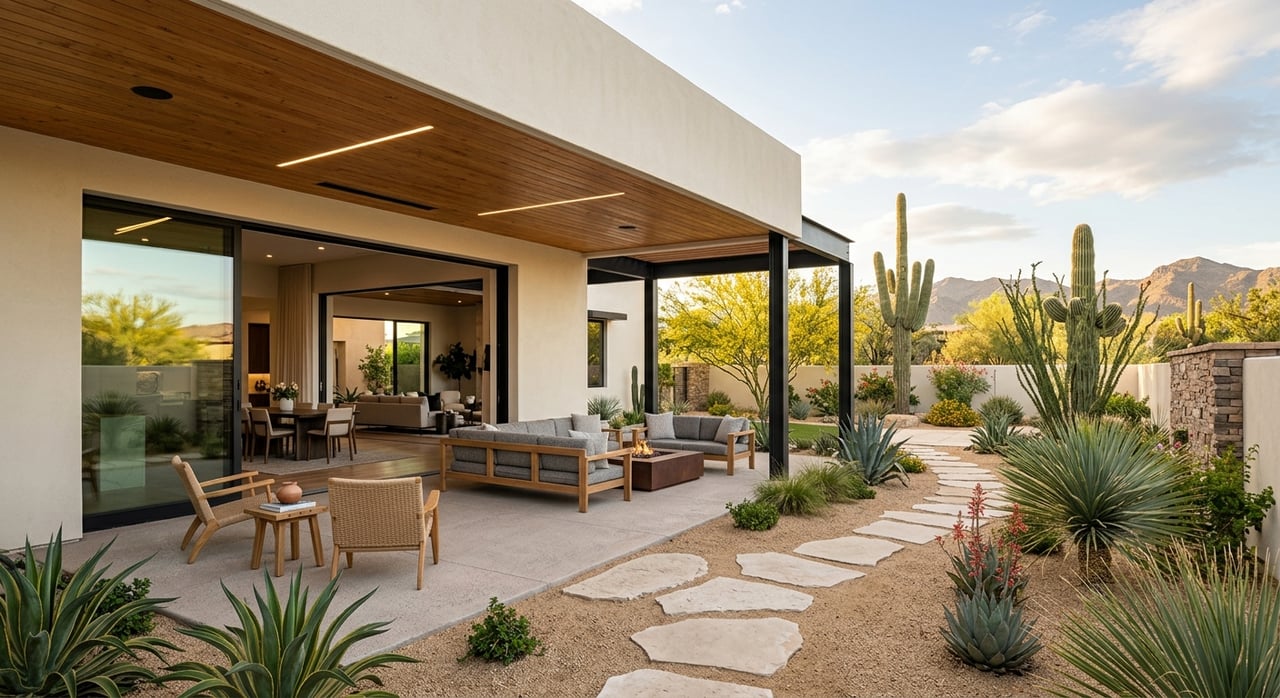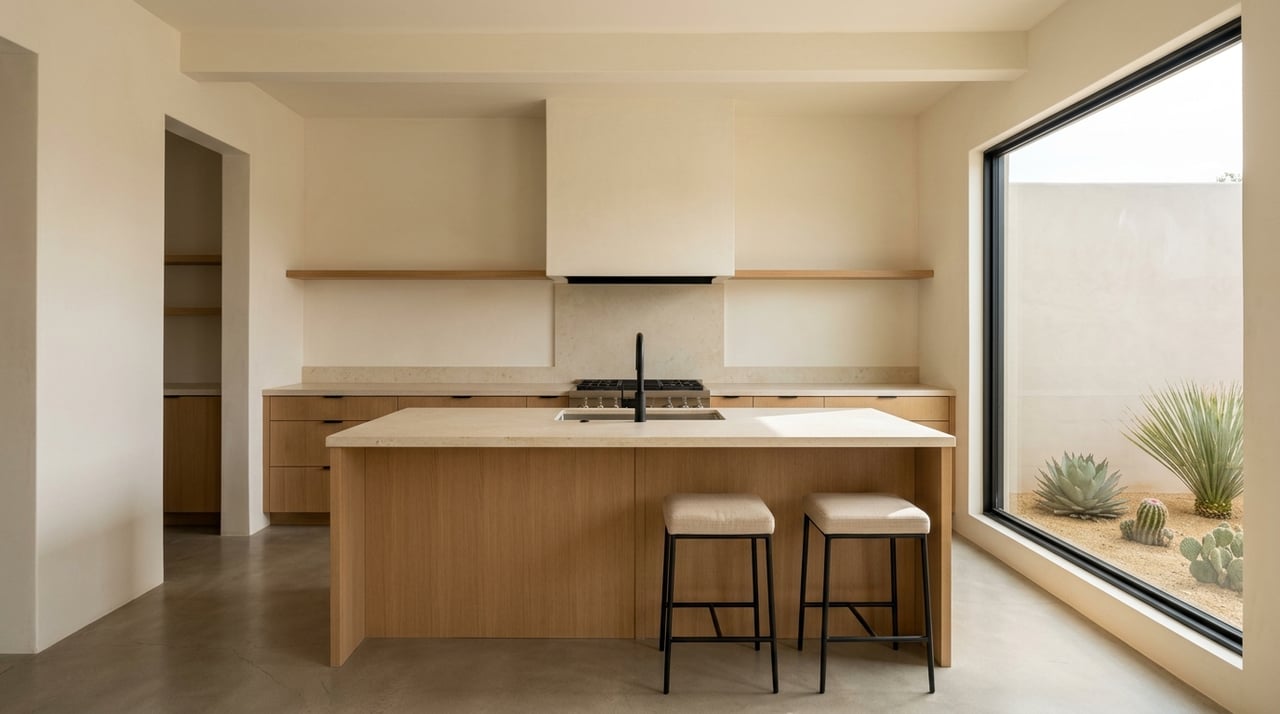
Selling a home in Oro Valley can feel simple on the surface, but the details matter more than many homeowners expect. You want a strong price, a smooth process, and as few surprises as possible once your home hits the market. The good news is that with the right prep, pricing, and timing, you can put yourself in a much better position from day one. Let’s dive in.
Understand the Oro Valley market
Before you list, it helps to know what the current market is actually doing, not just what you hope your home will sell for. Recent public market snapshots show an active Oro Valley market, but one where buyers are more price-conscious than they were a year ago.
Redfin reports a median sale price of $494,204, about 70 median days on market, and 363 homes sold in the three months ending May 2026. It also shows homes receiving about one offer on average. Realtor.com reports a median listing price of $549,949, 477 homes for sale, and about 61 median days on market in May 2026, with homes selling for roughly 1.22% below asking.
Those numbers are not identical because they track different parts of the market. Still, together they point to one clear takeaway: accurate pricing matters in Oro Valley.
Price against Oro Valley comps
One of the biggest mistakes sellers make is pricing from a citywide headline instead of their specific area. Oro Valley sits above the broader Southern Arizona median, so using Tucson-wide averages can lead you in the wrong direction.
The Tucson Association of REALTORS® reported a March 2026 median sale price of $359,000 and a median 36 days on market for the broader Southern Arizona MLS area. That is well below Oro Valley’s recent median levels, which is why your home should be evaluated against local comparable sales and neighborhood activity.
Even within Oro Valley, pricing can vary a lot. Realtor.com shows Stone Canyon with a median listing price of $2.335 million and 100 median days on market, while The Boulders at la Reserve Condominiums shows a median listing price of $295,000 and 63 median days on market.
That kind of spread shows why micro-market knowledge matters. A home that is priced well for one part of Oro Valley could be overpriced or underpriced in another.
Know that presentation affects results
In a market where buyers are watching value closely, presentation can shape both interest and leverage. Buyers often decide how they feel about a home within moments of seeing it online or walking through the front door.
That means your home should look clean, cared for, and easy to picture living in. It is not about making your home look generic. It is about helping buyers focus on the space, condition, and features rather than distractions.
According to the National Association of REALTORS®, 83% of buyers’ agents said staging made it easier for buyers to visualize a property as a future home. Its 2025 staging report also found that 49% of sellers’ agents said staging reduced time on market, and 29% said it increased the dollar value offered by 1% to 10%.
Focus on pre-listing prep first
Before you go live, work through the basics that make a home show better and photograph better. These steps can improve first impressions and help your listing feel move-in ready.
Prioritize these prep tasks
- Declutter rooms, countertops, and storage areas
- Depersonalize visible spaces so buyers can focus on the home
- Deep clean floors, surfaces, kitchens, and bathrooms
- Make needed repairs before buyers start noticing them
- Refresh curb appeal with simple landscape and exterior touch-ups
- Consider staging to improve flow and visual appeal
NAR seller guidance recommends decluttering, depersonalizing, deep cleaning, making necessary repairs, and staging before showings. It also notes that curb appeal matters because exterior appearance shapes first impressions before buyers even step inside.
Get your home ready for showings
Once your home is listed, day-to-day showing prep becomes part of the process. Small details can make a bigger difference than you might think.
NAR’s seller checklist highlights practical showing steps like wiping down surfaces, clearing counters, organizing the kitchen, neutralizing odors, putting out fresh towels, turning on lights, opening window coverings, and securing valuables. These are simple tasks, but they help your home feel brighter, cleaner, and more inviting.
If you are living in the home while selling, try to create a quick routine you can repeat before each showing. Consistency makes the process easier and helps your home stay market-ready.
Build a marketing plan that fits the home
Selling is not just about placing a sign in the yard. Effective marketing includes how your home is priced, how it is presented, and how broadly it is exposed to buyers.
NAR’s marketing guidance points to tools like staging, professional photography, social media, signage, open houses, and competitive pricing. It also notes that MLS placement usually provides the broadest exposure.
For you as a seller, the takeaway is simple: the best results usually come from a coordinated launch, not a piecemeal one. When the pricing, photos, condition, and rollout all line up, buyers tend to respond more confidently.
Plan for more than the sale price
Many sellers focus on the list price and accepted offer, but your net proceeds matter more than the headline number. What you keep after closing costs and concessions is the real number to watch.
NAR’s closing-cost worksheet notes that sellers may need to account for deed recording, title insurance policy premiums, notary fees, home warranty costs, and prorations for items like property taxes and utility bills. Depending on the deal, you may also see requests tied to inspections, repairs, HOA fees, taxes, or other negotiated costs.
That is why the highest offer is not always the best offer. NAR also notes that stronger terms, like fewer contingencies or cleaner financing, can sometimes make an offer more attractive than a slightly higher price.
Consider a pre-listing inspection
A pre-listing inspection is optional, but it can be useful if you want fewer surprises during escrow. It may reveal issues early, give you time to make repairs, and help you understand what buyers are likely to notice.
NAR’s seller-disclosure guidance says an inspection before listing can help identify defects that may need to be disclosed or that could affect the asking price. In some cases, handling issues upfront can make negotiations smoother later.
This does not mean every seller needs one. It means it is worth discussing if you want more clarity before going on the market.
Prepare Arizona disclosures early
In Arizona, disclosures should be treated as an early step, not a last-minute task. Waiting too long can slow down your timeline once you have an accepted contract.
NAR’s seller-disclosure guide says sellers typically must disclose known material defects and may need to disclose completed repairs, natural hazards, property defects, land-use limitations, HOA guidance, deaths on the property, and other conditions that could affect value. If a required material fact is withheld, the buyer may be able to cancel the sale or the seller could face liability.
Arizona’s SPDS guidance says the Seller’s Property Disclosure Statement must be delivered within five days after contract acceptance. That is one reason many sellers benefit from completing it before listing.
Arizona items that may apply
The Arizona Department of Real Estate flags several resale issues that can matter depending on the property. These include:
- Airport disclosure
- HOA issues
- Septic-system resale inspection
- Termite history
- Flood risk
- Lead-based paint
- Expansive soils
- Water availability
For Oro Valley sellers, the key question is not whether every item applies. It is which ones apply to your specific property and should be ready before your home goes live.
Watch for HOA and property-specific issues
If your home is in an HOA, gather those details early. The Arizona Department of Real Estate notes that HOA rules may affect things like landscaping, RV parking, play equipment, and satellite antennas.
If your property is served by a septic system, resale inspection requirements may also apply. These are the kinds of details that can delay a transaction if they are discovered too late.
The earlier you identify property-specific requirements, the easier it is to keep your sale moving.
Know the lead-based paint rule
If your home was built before 1978, there is an additional disclosure issue to address. The EPA says sellers of most pre-1978 housing must disclose known lead-based paint and lead-based paint hazards before the sale, and buyers must receive the required information before signing in most cases.
This is a straightforward item when handled early. It becomes more stressful only when it is left until the last minute.
Time your launch carefully
Many sellers ask whether they should wait for spring. While seasonality does matter, timing should be based on current local conditions, not just the calendar.
NAR’s seasonality data show that home sales usually rise in spring and summer and slow from November through February, with January typically the slowest month. That said, not every Oro Valley seller should wait for the same season.
A better approach is to look at your current competition, local inventory, neighborhood days on market, and buyer response in your price range. In some cases, listing sooner with the right strategy is better than waiting for a “perfect” season that may bring more competition.
Why local guidance matters in Oro Valley
Oro Valley is not one-size-fits-all. Pricing, pace, and buyer expectations can change a lot from one neighborhood and price point to another.
That is why local interpretation matters so much. A seller who understands neighborhood comps, current buyer behavior, and property-specific disclosure needs is in a much stronger position than one relying on broad averages.
If you are thinking about selling, your strongest starting points are simple: price against neighborhood comps, present the home well, and gather disclosures early. Those three steps can affect showings, buyer confidence, and your final net proceeds more than almost anything else.
When you want calm, clear guidance on selling in Oro Valley, Ernest Hernandez can help you build a strategy that fits your home, your timing, and your goals.
FAQs
What is the current home selling pace in Oro Valley?
- Recent public data shows homes in Oro Valley taking about 61 to 70 median days on market, depending on the source and time frame measured.
What should sellers in Oro Valley do before listing a home?
- Sellers should focus on pricing against neighborhood comps, decluttering, deep cleaning, making needed repairs, improving curb appeal, and preparing disclosures early.
What disclosures do Arizona home sellers need to prepare?
- Arizona sellers should be ready to complete the SPDS and review whether issues like HOA matters, septic inspection requirements, termite history, flood risk, airport disclosure, water availability, or lead-based paint rules apply to the property.
What costs should Oro Valley sellers plan for at closing?
- Sellers may need to budget for items such as deed recording, title insurance policy premiums, notary fees, home warranty costs, and prorated property taxes or utilities, along with any negotiated concessions.
What if my Oro Valley home is in an HOA?
- If your home is in an HOA, gather the relevant information early because rules or documents tied to landscaping, parking, or other property use issues can affect the sale process.
What if my home in Oro Valley was built before 1978?
- If your home was built before 1978, you likely need to disclose known lead-based paint and lead-based paint hazards before the sale, and the buyer must receive the required information before signing in most cases.